conference, publication, Uncategorized

New in 2026! 3 publications and 2 conferences

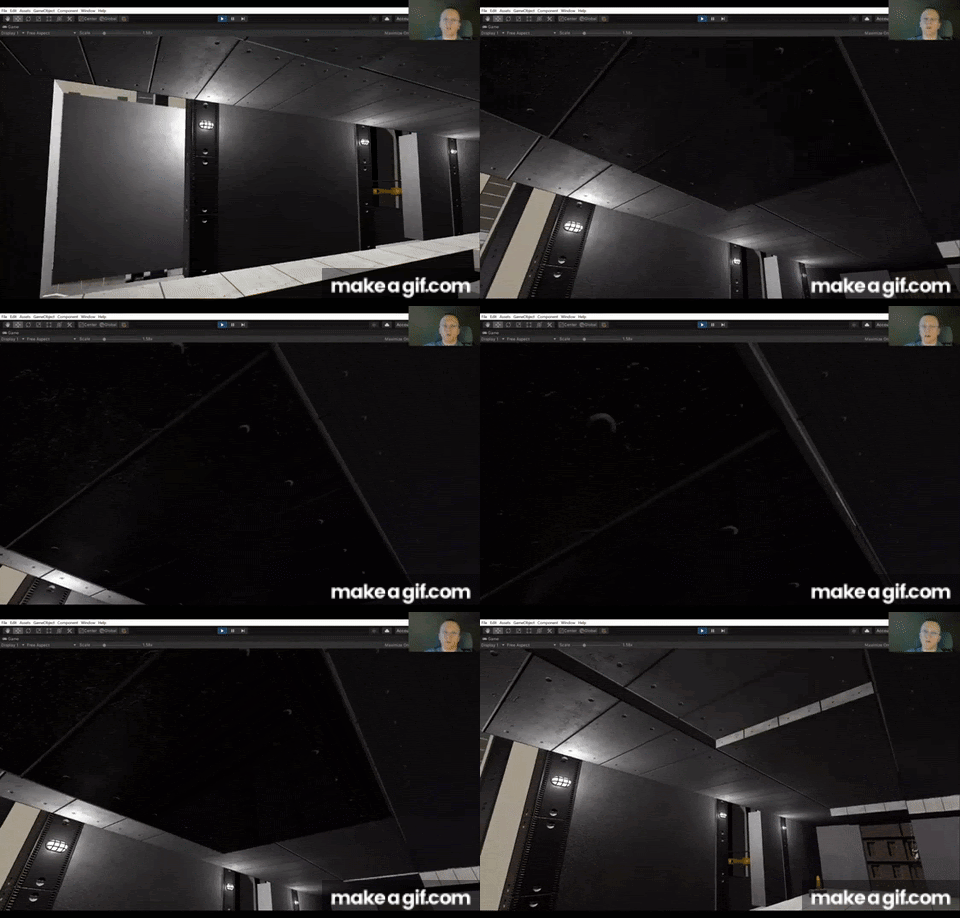
1) Kukshinov, E., Nathan, K. S., Bowman, N., Rooney, B., & Nacke, L. E. (2026). Walking into the Unknown: Manipulating Knowledge of the External Environment to Promote Presence in VR. International Journal of Human–Computer Interaction, 1–22. https://doi.org/10.1080/10447318.2025.2605178

Likely, my favorite study. It does not only exposes the cognitive nature of presence, as an illusion, or mispercetion of reality, but also employs a behavioral measure of presence in VR based on reactions towards virtual stimuli! 
2) Kukshinov, E. (in press). Presence in Social VR: Analysis of the Relationships Between Social and Physical Presence. PRESENCE: Virtual and Augmented Reality https://doi.org/10.1162/PRES.a.426 

Can we walk and talk at the same time in Social VR? Not really. That's because social and physical presence are not univesally afforded by these systems. Mediation and simulation are distinct technological domains. 

3) Kukshinov, E., Harley, D., Tu, J., Wang, D. M., Hadan, H., & Nacke, L. E. (2026). User traits mosaic: Understanding the multifaceted landscape of social VR users. Entertainment Computing, 101114. https://doi.org/10.1016/j.entcom.2026.101114 

There are so many ways in which people can use Social VR. This study presents a slice of this usage with traits that encapsulate it, along with some intersecting challenges users face.

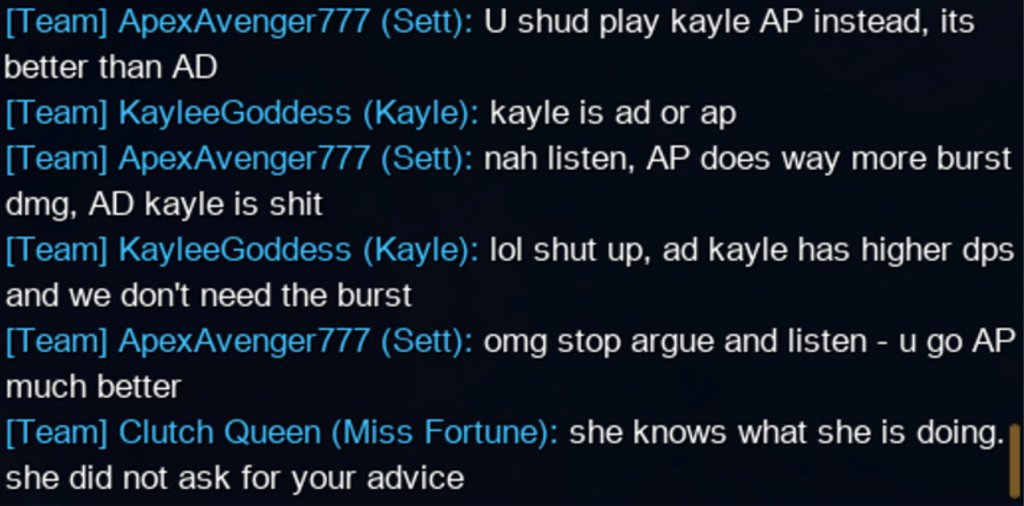
4) Kukshinov, E., & Poeller, S. (in press). De-Normalizing Toxic Behaviour in Competitive Online Games: Players’ Perceptions of Communication, Unsolicited Advice, and Bystander Intervention in League of Legends. In Proceedings of the 21th International Conference on the Foundations of Digital Games, Copenhagen, Denmark, August 10-14, 2026

This is one of the studies in which I, and Susanne Poeller, tried to incorporate critical theory to inform video games research and design. Changing norms is difficult, it will inevitably create resistance, which is natural when we challenge status quo. However, more humane and consentual communication is possible, everywhere and always.
5) Kukshinov, E., & Bowman, N. (2026, June). “Identifying with a character” but “embodying an avatar”: Differentiating relationships between players and their on-screen representations in video games. DIGRA 2026, Ireland, Maynooth University, 14–18 June 2026

In this essay, we are trying to explain why it is important to distinguish characters and avatars in video games, including when it comes to the 'player-character' or whatever the player is represented with. 

Standard
publication

IEEE VR’25 (Best Paper Award!) and Interacting With Computers papers accepted!

First, our final analysis of the presence questionnaires use was published in the Interacting with Computers! More than 2/3 of the papers that use questionnaires to measure presence modified the measures, and most of them did not explain reasons for doing so or revalidated them.


Second, our study about perspective-taking in VR was accepted to the IEEE VR as a full paper! As our results show, VR, whether in 1PP or 3PP, does not naturally promote perspective-taking as a process of thinking about other’s thoughts and feeling.

It also won the best paper award!

Standard
publication

New publication in Human Studies!

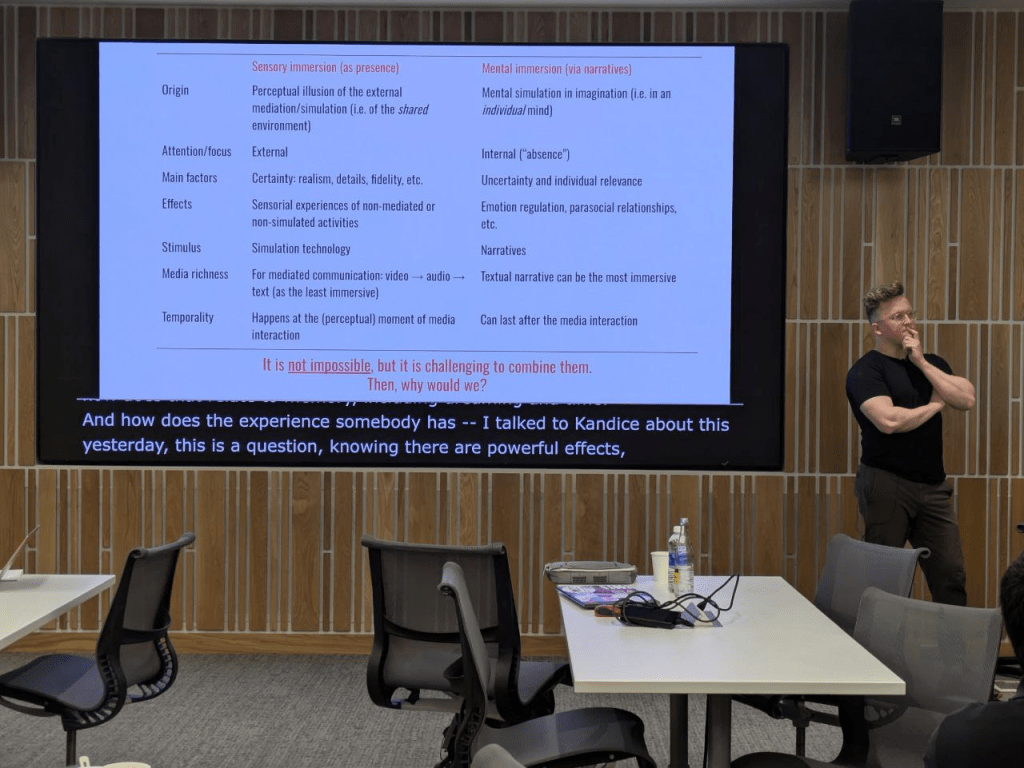
In this paper, I am analyzing how video game players can experience different combinations of both sensory immersion in a game’s simulation (or presence) and mental immersion into their narrative.

One of the most intriguing results is the “It is not me” mechanic that players sometimes use to distance themselves from certain unpleasant events in games and then translate them into characters that they embody via avatars.

Kukshinov, E. (2024). It’s (not) me: Dynamic Nature of Immersive Experiences in Video Game Play. Human Studies. https://doi.org/10.1007/s10746-024-09768-9

Standard
publication, talk

New publication and a public talk!

Kukshinov, E. (2024) Unestablished Boundaries: The Capabilities of Immersive Technologies to Induce Empathy, Tell Stories, and Immerse. Media and Communication. Volume 12 https://doi.org/10.17645/mac.8423

  • In this paper, I discuss how ‘immersive’ technologies do not inherently immerse users; they do, however, simulate things.
  • I have also discussed this topic, challenges of the immersive technologies, at the Newhouse Impact Summit in Syracuse University, NY (On August 1-2, 2024). You can access the program of the event here.
Standard
publication

Frontiers in Virtual Reality Publication!

MacArthur, C., Kukshinov, E., Harley, D., Pawar, T., Modi, N., & Nacke, L. E. (2024). Experiential Disparities in Social VR: Uncovering Power Dynamics and Inequality. Frontiers in Virtual Reality5 https://doi.org/10.3389/frvir.2024.1351794

The paper investigates how Social Virtual Reality (SVR) environments both reflect and reinforce social inequalities, particularly those related to race and gender. The study takes a critical, intersectional approach to examine how existing power dynamics shape interactions and individual experiences within these virtual spaces.

Using qualitative survey data, the authors explore disparities in how dominant and marginalized groups navigate key SVR affordances, such as expectations around perceived anonymity, the limited customization of avatars, and practices related to self-representation and embodied social interactions. The findings highlight how virtual environments can reproduce offline power structures, often marginalizing non-dominant identities.

The paper emphasizes the need for a deeper engagement with the ways social inequalities persist in virtual worlds and calls for more inclusive design practices in SVR.

Standard