
| Title | Group Dynamics in Collaborative Virtual Reality |
| Role | Lead Researcher |
| Methods | Interviews, N=26, Phenomenological Analsysis |
| Results | Socially-based experiences of embodiment, e.g., sense of mutual agency |
| Impact | Developed a UX framework for Social VR, identifying 5 key design pillars – from shared sensory feedback to co-created environments – that measurably increase group cohesion and player immersion in Social VR. |
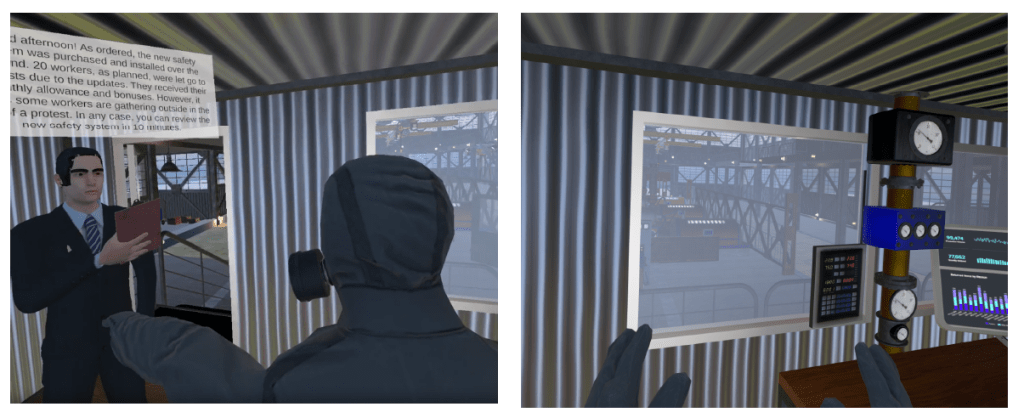
| Title | Towards VR as Empathy Machine |
| Role | Lead Researcher |
| Methods | Experimental observation (2×2), N=96, think aloud protocol, content analysis, questionnaire |
| Results | No empathizing in VR without an excplicit task |
| Impact | Challenged the “Visual-First” immersion myth; developed design requirements for active-reflection tasks and sensory-rich scenarios that prevent “identity tourism” and ensure meaningful user engagement in prosocial VR experiences. |
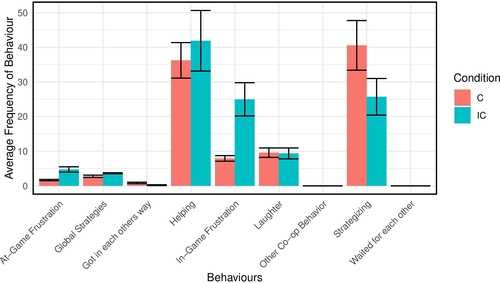
| Title | Toxicity in Co-op Games |
| Role | Mentor |
| Methods | Experimental observations (N=23), NASA TLX self-reports, and interviews |
| Results | Frustration with team-mates is not reported via regular metrics |
| Impact | Translated player behavior studies into game design strategies for cooperative mechanics, identifying that teammate competence directly scales player strategic engagement and that communication-heavy loops can neutralize mechanical frustration. |
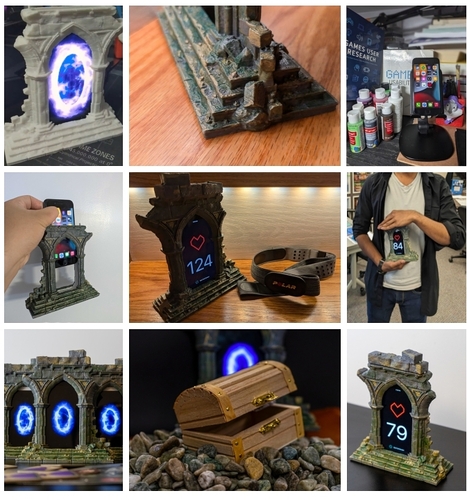
| Title | The Impact of Heart Rate on Player Experience in Board Games |
| Role | Mentor |
| Methods | Research through Design (RtD), N=10/20/5 |
| Results | Prototyping game mechanics and the game prototype artifact |
| Impact | Pioneered a framework for Bio-Responsive Game Mechanics, utilizing real-time heart rate (HR) data to drive in-game events like “Stress Shots” and “Panic Mode.” Developed design patterns that transform physiological stress into a strategic resource for social deception and high-stakes gameplay. |
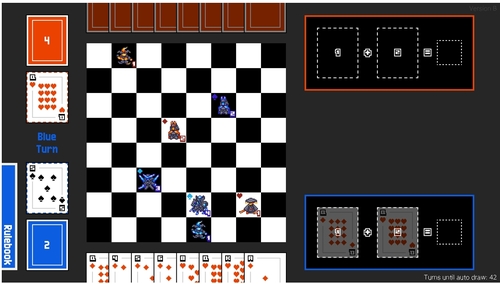
| Title | AI-Supported Onboarding in Video Games |
| Role | Mentor |
| Methods | Qualitative user study (N = 20) – observations, game play data, and interviews (thematic analysis) |
| Results | Participants emphasized the importance of maintaining control over how AI is used during onboarding and the freedom to choose their support level. |
| Impact | Developed design guidelines for Adaptive AI Onboarding that prioritizes player agency and trust. Specialized in translating AI flexibility into personalized learning paths that reduce friction without over-investing in temporary tutorials. |
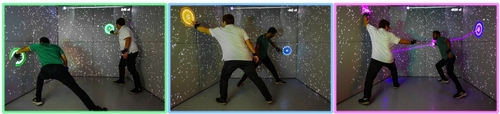
| Title | Player Cooperation in a Co-located Cooperative Exergames |
| Role | Mentor |
| Methods | Within-participants, mixed-methods user study (N = 24) |
| Results | Cooperative play in exergames improves social experiences, drives increased team identification and relatedness. |
| Impact | Translated research into Social Design Guidelines for multiplayer experiences in co-located setting, prioritizing individual agency within team tasks to accommodate varied skill levels. Recommended “Workload Redirection” techniques to turn cognitive stress into rewarding team-building moments. |

| Title | Immersive Experiences in Video Game Play |
| Role | Lead researcher |
| Methods | Interviews (N=8), Phenomenological analysis |
| Results | Dual dynamic nature of immersion in video games |
| Impact | Developed a Dual-Immersion Framework to optimize player engagement by distinguishing between “Simulation Presence” (action-based) and “Narrative Engagement” (story-based). Created an adaptive design approach that allows players to toggle agency and POV, preventing burnout by shifting focus between self-action and story progression. |

| Title | Social Inequalities in Social VR |
| Role | Lead Researcher |
| Methods | Survey, N=120, Structured Qualitative Data, Thematic Analysis |
| Results | Relationship between power dynamics and key Social VR affordances |
| Impact | Evaluated the UX of Safety & Reporting in virtual spaces, advocating for consistent, standardized safety affordances across platforms to reduce user cognitive load. Established the critical role of anonymity as a tool for empowerment rather than just a vector for harm, informing more nuanced moderation and T&S policies. |
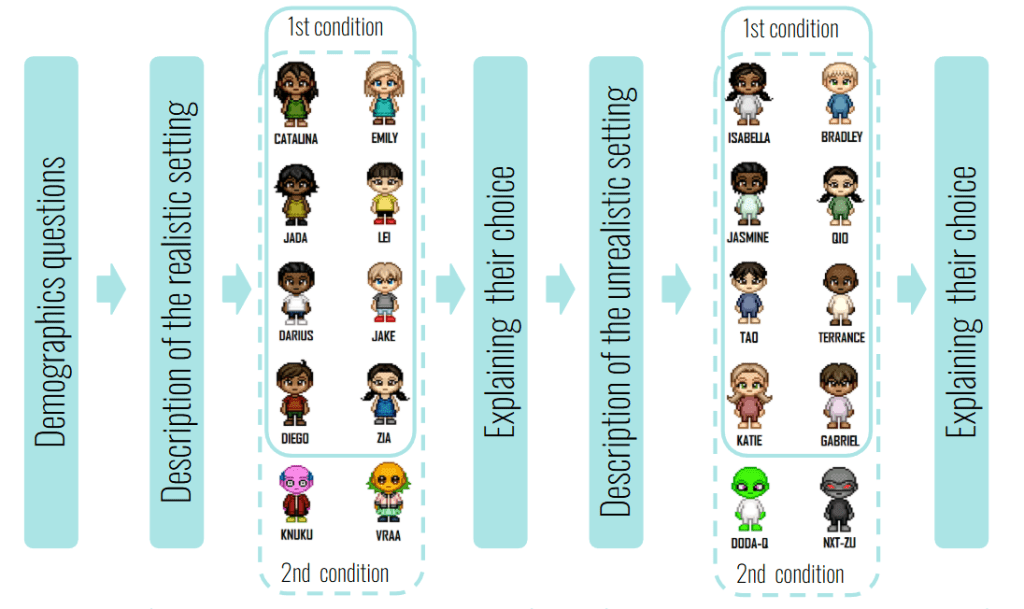
| Title | Demographics and Choice of Player-Characters |
| Role | Lead Researcher |
| Methods | Survey-based experiment (N=182), content analysis |
| Results | Non-White Non-male players are more likely to choose representative player-characters |
| Impact | Quantified the link between real-world demographics and in-game identity, proving that representation is a primary motivator for non-white/non-male players. Developed strategic guidelines for character design that move beyond “visual defaults” to satisfy the diverse motivational needs of global audiences. |
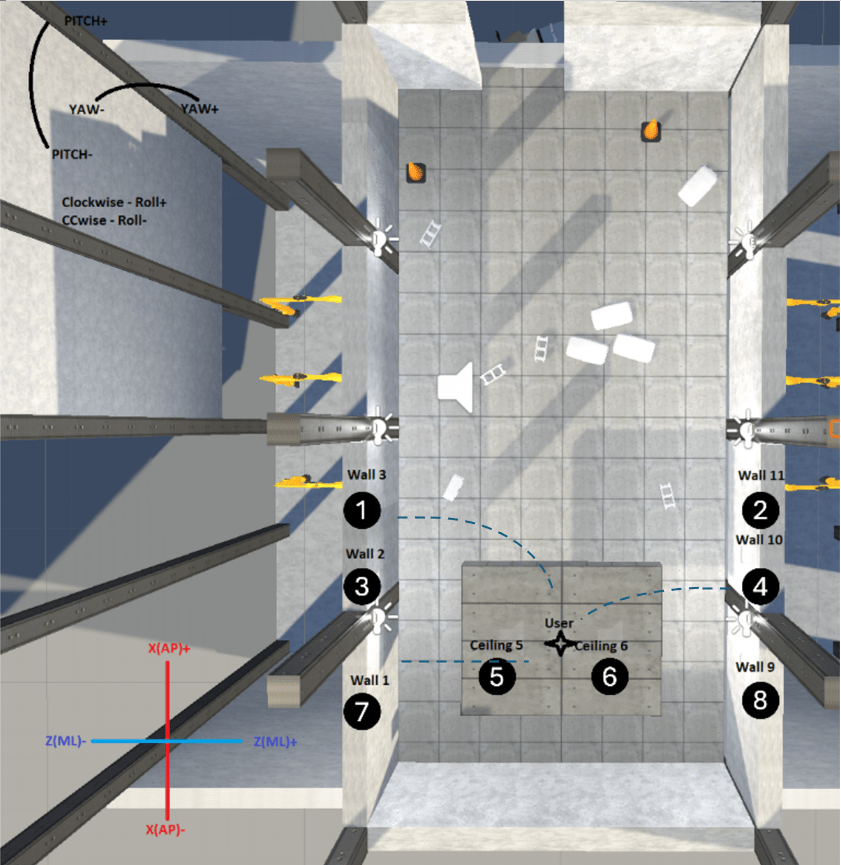
| Title | Unawareness of External Environement to Induce Presence in Virtual Environment |
| Role | Lead Researcher |
| Methods | Experimental observation (N=68), content analysis of behavioural data, kinematic analysis of the tracking data, questionnaire, interviews |
| Results | Lack of awareness regarding immediate external physical environment helps to focus on the virtual environemnt and feel stronger presence |
| Impact | Developed Environmental Design Protocols for VR to maximize sensory immersion by minimizing external “mental referencing.” Proposed the use of visually neutral “transition spaces” and controlled lighting to enhance presence while mitigating user anxiety and physical safety risks. |
 Eugene Kukshinov, PhD